
Understanding Macular Edema: Causes, Symptoms, and Treatment
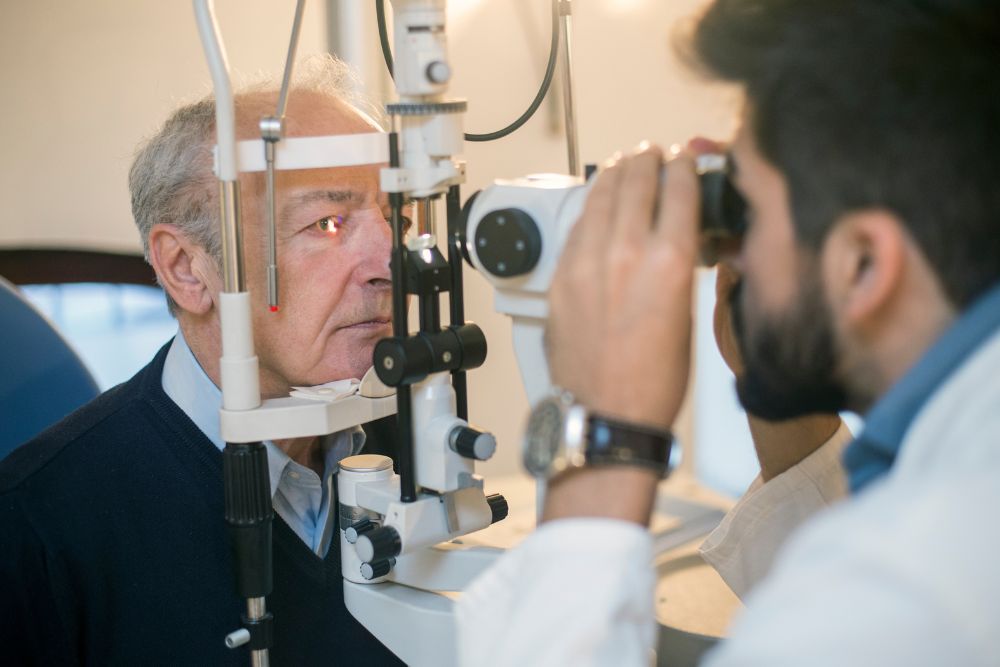
Macular edema is a subtle yet potentially serious condition that can significantly affect your vision, often without you even realizing it. It occurs when excess fluid accumulates in the macula, which is the central part of the retina responsible for sharp, detailed vision. This swelling can distort or blur your vision, making it difficult to see fine details crucial for everyday activities like reading, driving, and recognizing faces. However, by understanding the condition and consulting with a retina specialist, you can take proactive steps to preserve your vision.
What Causes Macular Edema?
Several factors can lead to the development of macular edema. Here are some of the most common causes:
- Diabetes: Diabetic macular edema (DME) is a leading cause of vision impairment in those with diabetes. High blood sugar can damage the tiny blood vessels in the retina, leading to fluid leakage.
- Retinal vein occlusion (RVO): When one of the veins carrying blood away from the retina becomes blocked, it can cause fluid to accumulate and result in edema.
- Inflammation: Conditions causing inflammation in or around the eye can also lead to macular edema. This includes diseases like uveitis or even post-operative complications.
Key Symptoms to Watch Out For
Macular edema can be hard to detect in its early stages because it often develops gradually, is painless, and may cause mild symptoms that can be mistaken for needing a new glasses prescription. The hallmark symptom of macular edema is blurred or distorted central vision. You may notice that straight lines appear wavy or struggle to read or recognize faces. If you experience these symptoms, don’t hesitate to schedule an eye exam.
Diagnosing and Treating Macular Edema
Eye care professionals often use imaging techniques, particularly optical coherence tomography (OCT), to accurately diagnose macular edema. OCT is a non-invasive diagnostic tool that produces detailed cross-sectional images of the retina, enabling doctors to detect fluid and swelling.
After diagnosis, your doctor may recommend the following treatment options:
- Injections: Medications can be injected directly into the eye to reduce swelling and improve visual outcomes. Anti-vascular endothelial growth factor (VEGF) injections are often used to target conditions like diabetic macular edema or RVO.
- Managing underlying conditions: Addressing the root causes, such as controlling blood sugar levels in diabetes or treating inflammation, can significantly help. Working closely with your healthcare team is essential for optimal results.
Early Intervention Is Key
The sooner macular edema is diagnosed, the better your vision outcomes will be. If you’re at risk of developing macular edema or experience any changes in your vision, no matter how small, it’s important to schedule an appointment with a retina specialist for a comprehensive eye exam. For world-class treatment of macular edema and other retinal conditions, turn to the experienced team at Mid Atlantic Retina Specialists. Contact us today for more information or to schedule an appointment in Hagerstown or Frederick, MD, or Chambersburg or Bedford, PA.