
Laser Treatment for Retinal Conditions: How It Works
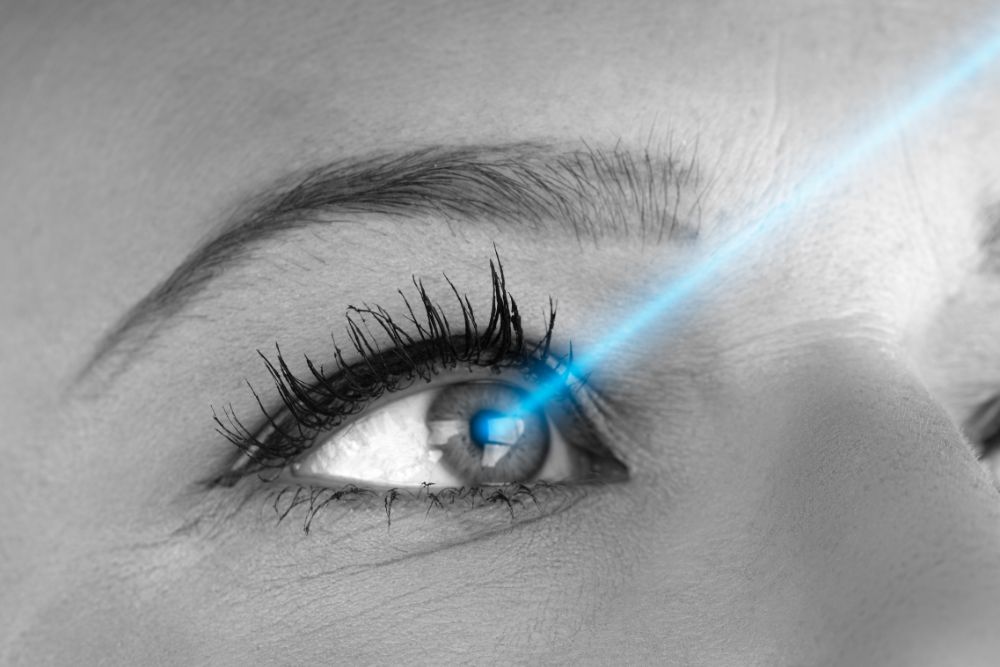
If your retina specialist has recommended laser treatment, you may have questions about what the procedure involves. While the idea of laser treatment may sound intimidating, it is typically a quick, minimally invasive procedure that can be performed right here in the office.
How Does Retinal Laser Treatment Work?
Retinal laser treatment uses a highly focused beam of light to create small, controlled burns on the retina. As these areas heal, they form scar tissue that can seal a retinal tear or leaking blood vessels. Depending on your condition, your retina specialist will choose one of the following techniques:
- Panretinal photocoagulation (PRP), which treats the outer (peripheral) portions of the retina
- Focal and grid laser, which targets specific areas of leakage near the macula
- Photodynamic therapy (PDT), which uses a medication that is activated by laser treatment to close off leaking blood vessels
What Retinal Conditions May Be Treated With Laser?
Laser treatment can be used for several retinal conditions including:
- Retinal tears: Laser creates a seal around the tear to help prevent fluid from passing underneath the retina and causing a retinal detachment.
- Diabetic retinopathy: In advanced stages, laser therapy can slow the growth of abnormal blood vessels that may bleed. It can also be used to reduce swelling in the macula.
- Lattice degeneration: Laser may be recommended to reinforce weak areas of the retina that may be more prone to tears.
- Retinal vein occlusion: Laser can help reduce swelling or abnormal blood vessel growth caused by a blockage.
What to Expect Before, During, and After Treatment
On the day of the procedure, your eyes will be dilated and numbed with eye drops. A special lens is also placed against the eye to provide a clear view of the retina and help guide the laser to the correct location. As the laser is applied, you will see bright flashes of light.
Many patients feel little to no discomfort. Occasionally, depending on the type of laser treatment, some patients may feel a stinging or aching sensation. If needed, your doctor may use additional numbing to keep you comfortable. The procedure can take anywhere from a few minutes to about half an hour, with the entire appointment typically lasting between 1-2 hours.
It is common to experience blurry vision, glare, and light sensitivity for several hours after treatment. Some patients also notice a mild ache in or around the eye, which can usually be managed with an over-the-counter pain reliever. Most people return to their normal routines within a day or two. Your doctor will give you instructions based on the specific procedure you receive.
How Laser Treatment Fits Into Your Care Plan
Laser treatment allows your specialist to target specific areas of the retina with precision, without the need for incisions. It is designed to stabilize your condition and lower the risk of complications such as bleeding or retinal detachment. However, laser treatment typically does not restore vision that has already been lost. Additionally, some patients may need more than one treatment session, and others may need laser combined with other therapies, such as injections.
After laser treatment, you will also need to return for a follow-up. At each visit, your specialist will assess how your eye has responded and decide whether additional treatment is needed. Regular monitoring also helps your specialist catch new retina changes before they affect your vision.
Laser Treatment at Mid Atlantic Retina Specialists
Laser treatment can play an important role in protecting your vision, but it is not the right choice for every patient or condition. At Mid Atlantic Retina Specialists, our board-certified, fellowship-trained retina specialists take the time to understand your condition and build a treatment plan built around your specific needs.
To learn whether laser treatment may be right for you, contact us or request an appointment at one of our four locations in Hagerstown and Frederick, MD, or Chambersburg and Bedford, PA.